IYC’s Michel Chryssicopoulos Maps Greece’s Yachting Future
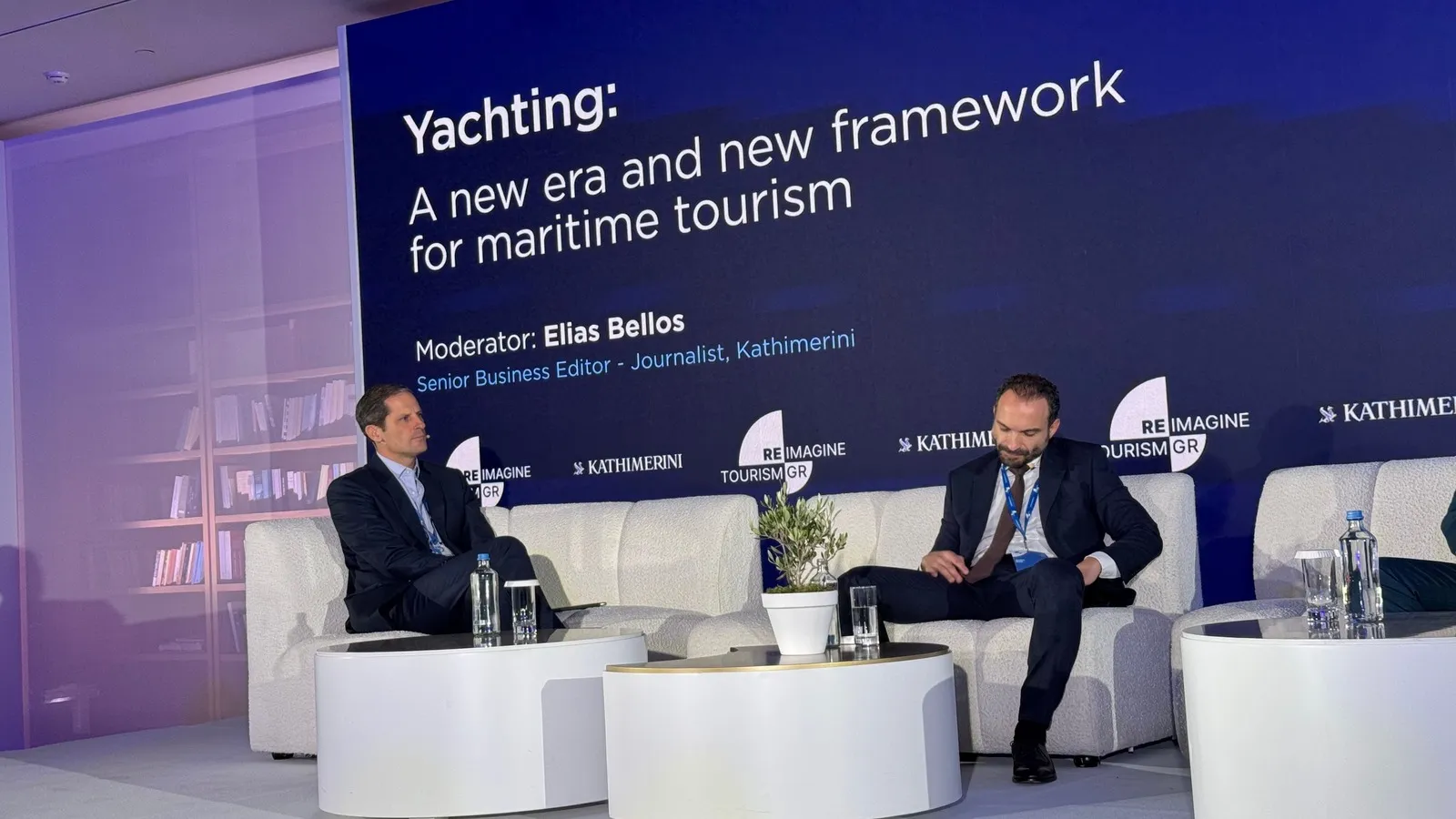
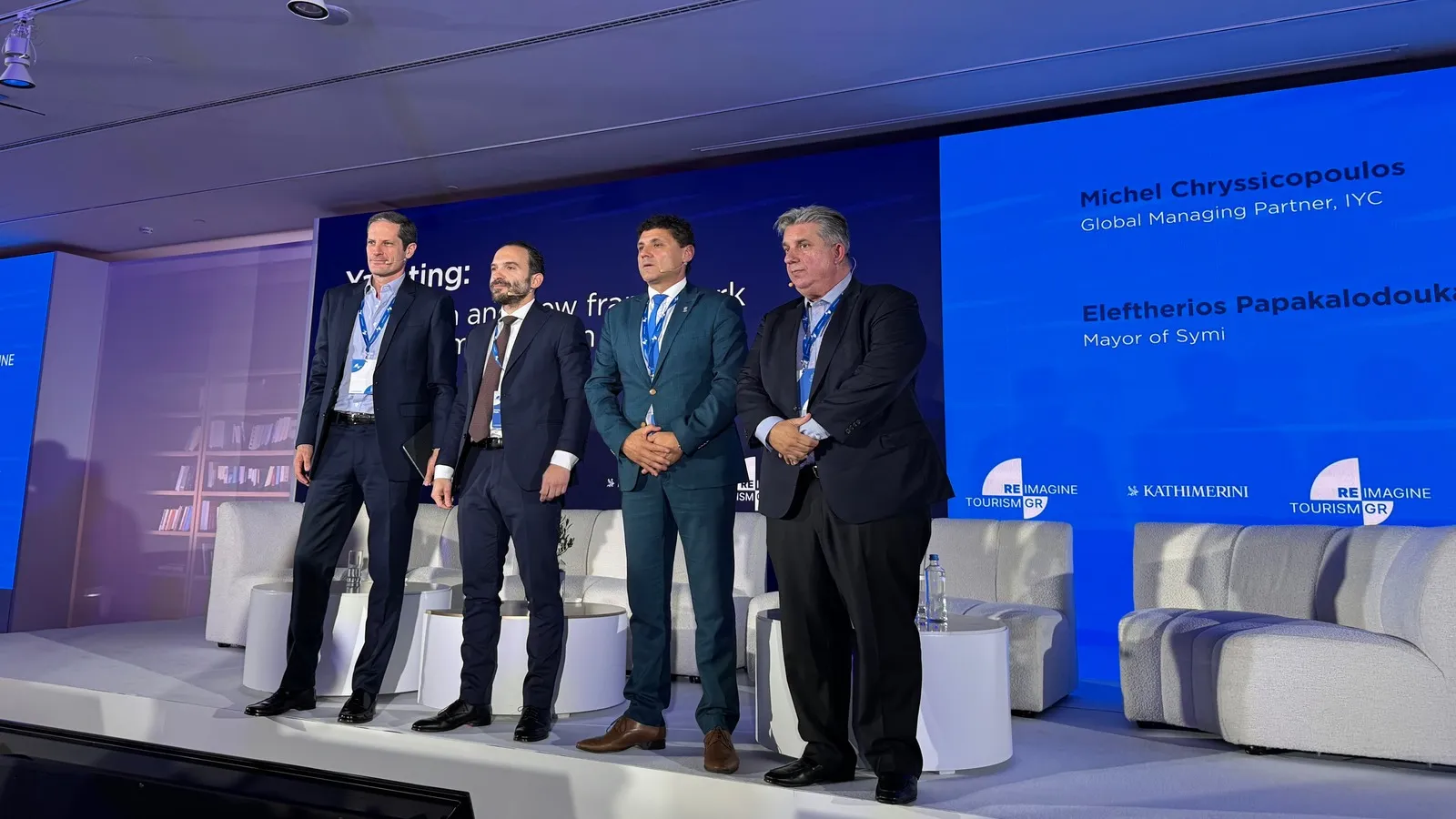
At the Stavros Niarchos Foundation Cultural Center’s Lighthouse on 18–19 November 2025, the third edition of Reimagine Tourism in Greece convened leaders from government, international organisations and the private sector to shape sustainable tourism policy. Powered by Kathimerini, the summit featured high-level contributions including UN Tourism Secretary‑General Shaikha Nasser Al Nowais, Prime Minister Kyriakos Mitsotakis and Minister of Tourism Olga Kefalogianni. Within that agenda, the panel “Yachting: A New Era and New Framework For Maritime Tourism” provided a focused forum on how maritime tourism can align economic value with regulatory, environmental and infrastructure priorities.
Michel Chryssicopoulos, Global Managing Partner at IYC, represented the yachting sector as the sole industry delegate on the panel. His intervention combined IYC’s proprietary market intelligence with practical policy and operational proposals. He framed Greece’s yachting economy in quantitative terms and set out targeted recommendations to preserve competitiveness, increase local benefit and support longer‑term resilience in the sector.
Data-Driven Insights: Greece’s Yachting Market Dynamics
Chryssicopoulos presented a clear set of market indicators showing Greece’s structural strengths and emerging pressures. Greece holds the number‑one position globally for the summer season, accounting for roughly 30% of charter activity in May–October and about 26% on a full‑year basis. He noted that while the absolute number of vessels completing at least one charter rose year‑on‑year, average charter weeks per boat did not keep pace because fleet supply has expanded faster than demand.
He highlighted important shifts in vessel mix and local spending patterns. The share of yachts over 50m increased from 16% in 2024 to 19% in 2025, which has implications for marina capability, crew availability and provisioning requirements. Chryssicopoulos also emphasised the Advance Provisioning Allowance (APA) as a major direct source of local expenditure—covering catering, marina fees, transfers, excursions and crew tips—and flagged the duty‑free fuel regime for charters as a critical EU‑level competitive advantage. He underscored the complexity of the VAT and levy landscape and the need to consider neighbouring jurisdictions when assessing competitiveness.
Policy and Operational Steps to Strengthen Charter Value
From those data points Chryssicopoulos derived a short list of policy and operational priorities. He recommended investing in marina infrastructure that can accommodate larger vessels, formalising digital systems for real‑time mooring availability and premium booking, and streamlining port and agent procedures to reduce administrative friction. Maintaining fiscal and fuel incentives that underpin professional charter traffic was presented as equally important to infrastructure upgrades.
He closed with three immediate actions for stakeholders: accelerate marina upgrades to host more and larger yachts; preserve and clarify fiscal incentives that sustain charter activity; and fast‑track digital booking platforms focused on hotspot destinations such as Mykonos, Ornos and Alimos. These measures, he argued, would protect Greece’s market leadership while increasing the flow of APA‑driven spending into local services and communities.
Consolidating Leadership: IYC’s Plan for Sustainable Growth
Chryssicopoulos positioned IYC not only as a market operator but as a partner to public authorities and local stakeholders. IYC’s activities across commercial representation, charter management and editorial channels give the firm direct visibility of berth utilisation, booking flows and supplier networks. That operational footprint, he said, enables practical collaboration with marinas and local providers to align capacity, services and pricing with demand patterns.
Combining on‑the‑ground intelligence—bookings, APA flows and vessel mix—with policy engagement allows IYC to translate strategic recommendations into measurable results. Practical interventions include optimising berth allocation, strengthening crew and supplier networks, and enabling marinas to adopt dynamic pricing and loyalty programmes. In summary, the proposals presented at Reimagine Tourism are intended to safeguard Greece’s competitive edge in yachting, increase local economic benefits and deliver a structured path for sustainable growth.
This article has been sourced from press releases and cross-referenced with multiple trusted websites. Facts originally seen at Source along with other Sources. Images are credited to Source. While efforts have been made to ensure accuracy, readers are encouraged to verify details independently.